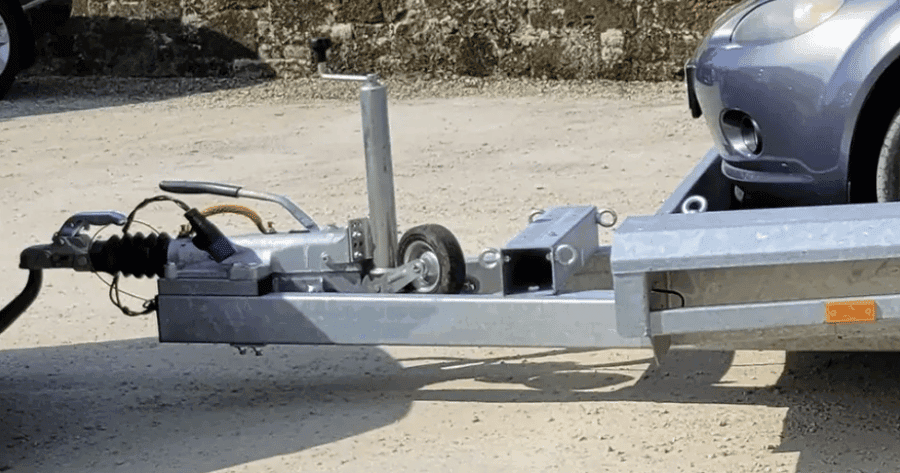

Let’s say you’ve got the trailer. You’ve got the gear. Maybe even a few sheep, a quad bike or a tonne of builder’s kit ready to go.
But before you start loading everything in, there’s one number you need to check: the payload.
Ignore it, and you could be asking for trouble - think snapped axles, busted tyres or a fine you weren’t banking on.
Let’s break it down.
What Is Payload, Exactly?
Trailer payload is the maximum weight your trailer can legally carry - not including the trailer itself.
It’s the load limit for what you put on or in the trailer: tools, plant, livestock, pallets, timber, motorbikes, you name it.
How Do You Calculate It?
Easy:
Payload = Gross Trailer Weight (GTW) - Unladen Weight (ULW)
GTW (or MAM - Maximum Authorised Mass) is the trailer’s total allowed weight when fully loaded.
ULW is what the trailer weighs empty.
Example:GTW = 2,600 kgULW = 700 kgPayload = 1,900 kg
That’s the most you can legally carry in the trailer - anything more and you’re overloaded.
Where Do I Find These Numbers?
Look for the manufacturer’s plate or sticker on the trailer drawbar or chassis. It’ll show:
Gross Trailer Weight (MAM or GTW)
Unladen Weight (sometimes)
Tyre pressure recommendations
If the unladen weight isn’t listed, check your manual or the manufacturer’s specs online.
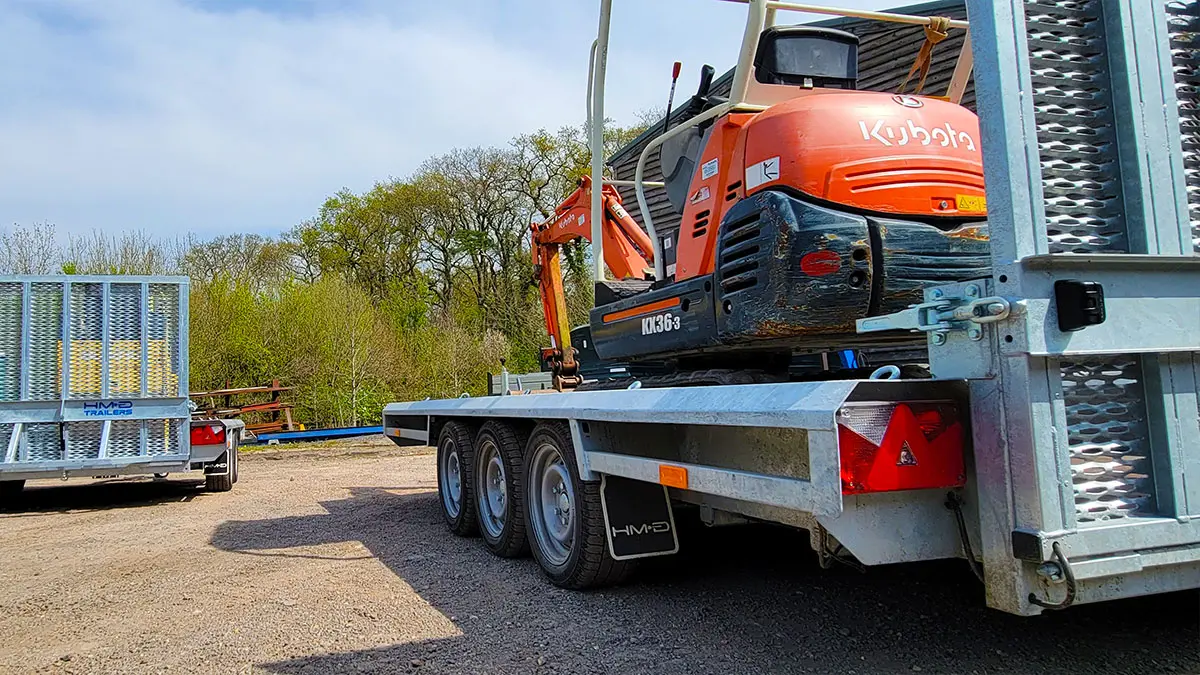
Why Payload Is So Important
If you overload a trailer - even by a little - you risk:
Blowing tyres
Damaging the chassis or suspension
Getting pulled by police or DVSA
Insurance being void if anything goes wrong
And if you’re towing with a car or van, don’t forget: payload affects nose weight (the downward pressure on the towbar) and your vehicle’s towing capacity.
Pro loading Tips from Brent
Always factor in all the load - tools, machines, fuel, animals, water tanks, ramps… everything.
Don’t guess - weigh it if you’re unsure. Use a weighbridge or load cell.
Just because it fits in the trailer doesn’t mean it’s legal to carry.
Final Thought: Don’t Load Blind - Know Your Payload
Whether you’re moving sheep or shifting scaffolding, your trailer’s payload tells you what it’s built to handle. Stick to it, and you’ll stay safe, legal, and road-ready.
Need a trailer with the right payload for the job?
-Sir Brent